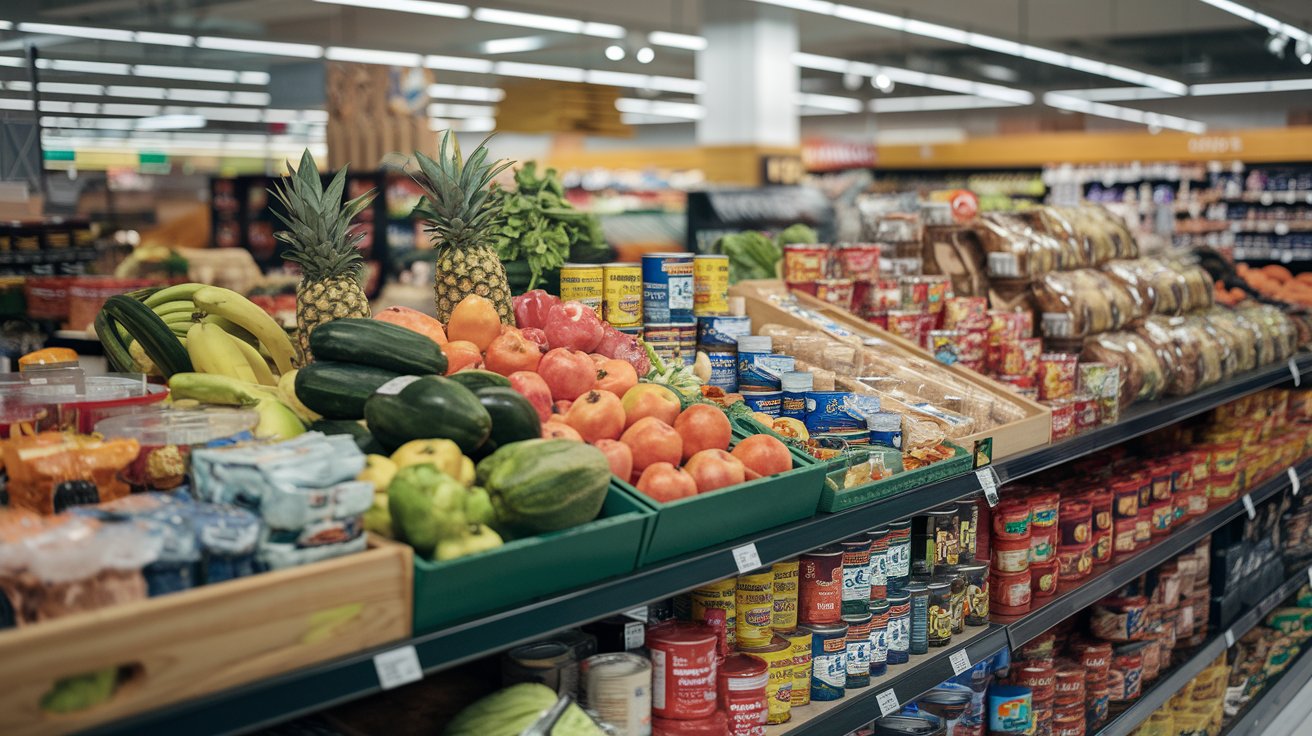
With grocery prices in the United States continuing to rise in 2026, families are spending an average of $1,080 per month on food. However, strategic shoppers can save money on groceries by implementing smart purchasing habits, meal planning techniques, and taking advantage of seasonal produce. This comprehensive guide reveals actionable strategies that can reduce your monthly food budget by 30-50% while maintaining nutritional quality and variety in your meals.
Understanding Grocery Spending Patterns in 2026
The average American household spends between $800 and $1,200 monthly on groceries in 2026, with significant variations based on family size and location. Urban areas like New York City and San Francisco see costs 25-40% higher than the national average. Understanding where your money goes in your food budget is the first step toward meaningful savings. The USDA reports that processed foods, meat, and dairy products constitute 65% of typical grocery expenses, while fresh produce represents only 15% of spending.
Tracking your purchases for one month reveals spending patterns and identifies areas for immediate improvement. Most families discover they’re overspending on convenience foods and impulse purchases by 20-35%. Mobile apps like Mint and YNAB help categorize grocery expenses automatically, showing exactly how much you allocate to each food category. This awareness creates the foundation for implementing targeted money-saving strategies that align with your family’s actual consumption patterns.
The Strategic Meal Planning Method
Meal planning remains the most effective strategy to save money on groceries, reducing food waste by up to 60% and preventing unnecessary purchases. In 2026, families who plan weekly menus save an average of $320 monthly compared to those who shop without a plan. The process involves reviewing your schedule, checking existing pantry items, and creating a detailed shopping list based on planned meals for the week ahead.
Creating a Weekly Menu Template
Start by designating specific themes for each day, such as Meatless Monday, Taco Tuesday, or Slow Cooker Sunday. This framework simplifies decision-making and allows you to rotate affordable protein sources throughout the week. Build your menu around sale items from store circulars, which are typically released on Wednesdays. Incorporate versatile ingredients that work across multiple meals, reducing the total number of items you need to purchase while maximizing variety in your weekly meal rotation.
Shopping List Organization Techniques
Organize your grocery list by store sections to minimize backtracking and resist impulse purchases that occur when browsing aisles unnecessarily. Digital list apps like AnyList and Out of Milk allow family members to add items in real-time and categorize by department. Include specific quantities and preferred brands to avoid confusion and duplicate purchases. Studies show that organized shoppers spend 22% less time in stores and make 40% fewer unplanned purchases, directly translating to significant monthly savings on food expenses.
Bulk Buying Strategies That Actually Save Money
While buying in bulk can offer substantial savings, it only makes financial sense for non-perishable items and frequently used products your family actually consumes. Warehouse clubs like Costco and Sam’s Club provide 20-40% savings on items like rice, pasta, canned goods, and frozen vegetables. However, the key is calculating the per-unit cost and ensuring you’ll use items before expiration. A $30 bulk purchase that goes to waste costs more than buying smaller quantities at regular prices.
Focus bulk purchases on shelf-stable staples with long storage lives, including dried beans, whole grains, nuts, seeds, and frozen proteins. These items maintain quality for months when stored properly and form the foundation of budget-friendly meals. Split bulk purchases with neighbors or family members to access wholesale pricing without overbuying. In 2026, buying clubs also offer excellent prices on household essentials, allowing you to allocate more of your budget toward fresh produce and quality ingredients.
Seasonal and Local Produce Advantages
Purchasing seasonal fruits and vegetables saves 30-50% compared to out-of-season produce that requires long-distance transportation. In the United States, strawberries cost $2.50 per pound during peak season in June but rise to $5.99 in December. Understanding regional growing seasons helps you plan menus around the most affordable and flavorful produce available. The USDA Seasonal Produce Guide provides month-by-month recommendations for fresh, budget-friendly fruits and vegetables across different climate zones.
Farmers Market Shopping Tips
Local farmers markets often provide better prices than grocery stores on seasonal items, especially during peak harvest periods. Arrive during the final hour before closing when vendors discount remaining inventory by 25-50%. Build relationships with regular vendors who may offer bulk discounts or notify you about upcoming harvests. Many farmers markets now accept SNAP benefits and offer matching programs that double your purchasing power, making fresh, locally grown produce accessible on any budget. Compare prices between markets and grocery stores to identify the best deals on fresh, seasonal produce.
Preservation Methods for Seasonal Abundance
Extend the value of seasonal produce purchases through freezing, canning, and dehydrating techniques. Berries purchased at peak season for $1.50 per pound can be frozen and enjoyed year-round at a fraction of winter prices. Blanch and freeze vegetables like green beans, broccoli, and peppers when prices drop during harvest season. Simple water-bath canning preserves tomatoes, jams, and pickles without specialized equipment. These preservation methods allow you to maintain a diverse, nutritious diet while capitalizing on the lowest prices throughout the year.
Smart Protein Purchasing Strategies
Protein typically represents the largest portion of grocery expenses, with the average family spending $280 monthly on meat, poultry, and fish. Strategic protein shopping focuses on affordable options like whole chickens ($1.89/lb), ground turkey ($3.49/lb), and plant-based proteins including beans, lentils, and tofu. Purchasing whole chickens and breaking them down yourself saves 40% compared to buying pre-cut pieces, with the bonus of bones for homemade stock worth an additional $4-6 in value.
Incorporate meatless meals two to three times weekly using beans, lentils, eggs, and quinoa as primary protein sources. These alternatives cost 60-75% less than animal proteins while providing excellent nutrition. When buying meat, focus on manager’s specials nearing sell-by dates, which offer 30-50% discounts on quality products safe to freeze immediately. Buying a quarter or half cow directly from local farmers provides premium grass-fed beef for $4.50-6.50 per pound, well below retail prices for comparable quality. This requires upfront investment and freezer space but delivers significant long-term savings on quality protein.
The 5-4-3-2-1 Grocery Rule Explained
The 5-4-3-2-1 grocery rule provides a structured framework for balanced, budget-conscious shopping that prevents overbuying while ensuring nutritional variety. This method allocates your cart to five vegetables, four fruits, three proteins, two sauces or condiments, and one treat item. The rule naturally limits impulse purchases and creates a foundation for healthy meal planning without rigid restrictions.
This approach works particularly well for weekly shopping trips and helps maintain consistent spending patterns. The vegetable and fruit categories should prioritize seasonal, affordable options like carrots, cabbage, apples, and bananas. Protein selections might include eggs, canned tuna, dried beans, and a weekly meat choice. Sauces and condiments provide flavor variety without excessive cost. The single treat item satisfies cravings while preventing overindulgence in expensive processed snacks. Families following this rule report 25-30% reductions in monthly grocery expenses while improving diet quality.
Store Brand and Generic Product Benefits
Private label and generic products offer identical or comparable quality to name brands at 20-40% lower prices across most grocery categories. In 2026, store brands have evolved significantly, with retailers investing in premium private label lines that compete directly with national brands. Taste tests consistently show consumers cannot reliably distinguish between store brands and name brands in blind comparisons for items like milk, eggs, flour, sugar, canned vegetables, and basic staples.
Target’s Good & Gather, Walmart’s Great Value, and Kroger’s Simple Truth provide excellent quality at budget-friendly prices. Focus name-brand purchases on items where you have strong preferences or notice significant quality differences. Switching to generics for 75% of your purchases saves the average family $180-240 monthly without sacrificing meal quality or satisfaction. Many store brands are manufactured by the same companies producing name-brand products, simply packaged differently to meet various price points in the grocery market.
Digital Coupons and Cashback Applications
Technology has revolutionized coupon usage, making it easier than ever to save money on groceries without clipping physical coupons. Apps like Ibotta, Fetch Rewards, and Checkout 51 provide cashback on everyday purchases by simply scanning receipts. These platforms offer $5-15 back per weekly shopping trip, accumulating to $260-780 in annual savings. Store-specific apps from Target, Kroger, and Safeway feature digital coupons that load directly to loyalty cards.
Stack manufacturer coupons with store promotions and cashback apps to maximize savings on individual products. A $1 manufacturer coupon combined with a $1 store coupon and $0.50 cashback offer reduces a $4 item to $1.50, representing 62.5% savings. Browser extensions like Honey and Capital One Shopping automatically search for and apply available coupon codes for online grocery orders. Dedicate 10-15 minutes weekly to reviewing app offers and planning purchases around the best available deals. Strategic coupon use reduces grocery expenses by 15-25% without requiring extreme couponing time investment.
Living on a Tight Food Budget
Living on $200 per month for food as a single person is achievable through careful planning, though it requires commitment to home cooking and strategic shopping. This breaks down to approximately $6.67 daily or $46.67 weekly for all meals and snacks. Success at this budget level demands eliminating restaurant meals, focusing on inexpensive staples, and minimizing food waste completely.
Essential Staples for Extreme Budget Shopping
Build your $200 monthly food budget around affordable staples including rice ($0.60/lb), dried beans ($1.20/lb), oats ($1.50/lb), pasta ($1/lb), eggs ($3.50/dozen), potatoes ($0.50/lb), carrots ($0.80/lb), cabbage ($0.60/lb), bananas ($0.60/lb), and peanut butter ($2.50/jar). These items provide complete nutrition at minimal cost when combined strategically. A month’s worth of basic staples costs approximately $75-90, leaving $110-125 for proteins, seasonal vegetables, fruits, and dairy products to add variety and nutritional completeness to your meal plan.
Meal Planning for Maximum Affordability
On a tight budget, plan meals where individual portions cost $1-2 maximum. Examples include bean and rice bowls ($1.20/serving), oatmeal with peanut butter ($0.85/serving), vegetable stir-fry over rice ($1.80/serving), lentil soup ($0.95/serving), and egg sandwiches ($1.10/serving). Prepare larger batches and freeze portions to ensure variety throughout the week without increasing costs. Breakfast and lunch typically feature more affordable options, allowing slightly higher spending on dinner as the main family meal. This extremely frugal approach works best as a temporary strategy while building financial stability.
Smart Shopping for Diabetic Nutrition
Creating a good grocery list for diabetic management focuses on low-glycemic foods, lean proteins, healthy fats, and high-fiber vegetables while staying within budget constraints. Diabetic-friendly eating doesn’t require expensive specialty products; instead, it emphasizes whole foods that support stable blood sugar levels. The American Diabetes Association recommends filling half your plate with non-starchy vegetables, a quarter with lean protein, and a quarter with complex carbohydrates.
Budget-friendly diabetic staples include eggs ($0.29 each), canned tuna ($1/can), chicken thighs ($2.50/lb), dried beans ($1.20/lb), steel-cut oats ($3/container), brown rice ($1.50/lb), sweet potatoes ($0.80/lb), frozen broccoli ($1.50/bag), spinach ($2.50/container), Greek yogurt ($4/32oz), and almonds ($6/lb). These items form the foundation of blood sugar-friendly meals at affordable prices. Avoid expensive diabetic-labeled products which often cost 30-50% more than regular alternatives without significant nutritional advantages. Focus spending on quality proteins and fresh vegetables rather than processed low-sugar products with questionable ingredients and minimal health benefits for diabetic management.
Reducing Food Waste to Maximize Savings
The average American household wastes $1,500 worth of food annually, representing 30-40% of purchased groceries. Reducing waste to just 10% can save $1,200 yearly without changing shopping habits. Implement a first-in-first-out system in your refrigerator and pantry, placing newer items behind older ones to ensure timely consumption. Designate one shelf for items approaching expiration that need immediate use in meals.
Create a weekly waste audit by tracking discarded food and identifying patterns. Most waste occurs with fresh produce, leftovers, and bread products. Solutions include proper storage techniques, smaller produce purchases, and creative leftover transformation. Vegetable scraps become stock, stale bread becomes croutons or breadcrumbs, and overripe fruit transforms into smoothies or baked goods. Freezing items before they spoil extends usability and prevents throwing away perfectly good food. These waste reduction strategies often save more money than aggressive coupon use or extreme budget shopping.
Alternative Shopping Locations and Methods
Expanding beyond traditional grocery stores reveals additional money-saving opportunities through ethnic markets, discount grocers, and direct-from-farm options. Asian, Hispanic, and Middle Eastern markets offer fresh produce, rice, beans, and spices at 30-50% below conventional grocery prices. Discount chains like Aldi, Lidl, and Save-A-Lot provide quality groceries at significantly reduced prices through limited selection and efficient operations.
Community Supported Agriculture (CSA) programs connect consumers directly with local farms, providing weekly produce boxes for $20-35 containing $40-60 worth of fresh vegetables and fruits. While variety depends on seasonal availability, CSA memberships ensure the freshest possible produce at excellent value. Food co-ops allow members to purchase at near-wholesale prices in exchange for monthly volunteer hours. Grocery outlet stores sell overstock, discontinued, and short-dated items at 40-70% discounts, perfect for non-perishables and freezer items. Exploring these alternative shopping options diversifies your sources and captures the best deals across multiple channels.
Related video about what are smart ways to save money on groceries
This video complements the article information with a practical visual demonstration.
Everything you need to know about what are smart ways to save money on groceries
What is the 5-4-3-2-1 grocery rule?
The 5-4-3-2-1 grocery rule is a structured shopping framework that helps control spending while ensuring nutritional variety. It directs you to purchase five vegetables, four fruits, three protein sources, two sauces or condiments, and one treat item per shopping trip. This method naturally limits impulse purchases and creates balanced meal options without rigid restrictions. The rule works particularly well for weekly shopping trips and helps families maintain consistent spending patterns while improving diet quality. Following this approach, shoppers report 25-30% reductions in monthly grocery expenses while increasing consumption of fresh produce and whole foods.
Can you live on $200 a month for food?
Living on $200 monthly for food is achievable for a single person through careful planning and home cooking, though it requires significant commitment. This budget breaks down to approximately $6.67 daily for all meals and snacks. Success requires eliminating restaurant meals, focusing on inexpensive staples like rice, beans, oats, eggs, and seasonal produce, and minimizing all food waste. Essential strategies include buying in bulk, cooking large batches for freezing, and building meals around the most affordable ingredients available. While challenging, this budget level provides adequate nutrition when purchases focus on nutrient-dense whole foods rather than processed convenience items. Most people find this approach works best as a temporary measure while building financial stability.
What is a good grocery list for a diabetic?
A diabetic-friendly grocery list focuses on low-glycemic foods, lean proteins, healthy fats, and high-fiber vegetables that support stable blood sugar levels. Budget-friendly options include eggs, canned tuna, chicken thighs, dried beans, steel-cut oats, brown rice, quinoa, sweet potatoes, non-starchy vegetables like broccoli and spinach, Greek yogurt, nuts, and seeds. Fill half your cart with non-starchy vegetables, one quarter with lean proteins, and one quarter with complex carbohydrates. Avoid expensive diabetic-labeled specialty products which often cost 30-50% more without significant nutritional advantages. Focus spending on quality proteins and fresh vegetables rather than processed low-sugar alternatives. This approach provides excellent blood sugar management while keeping grocery costs reasonable.
How to really save money on groceries?
The most effective way to save money on groceries involves combining multiple strategies rather than relying on a single approach. Start with meal planning to reduce waste and impulse purchases, which alone saves 20-30% monthly. Shop seasonal produce when prices are lowest, use store brands for 75% of purchases, and implement digital coupons and cashback apps for additional savings. Buy protein strategically by purchasing whole chickens, manager’s specials, and incorporating affordable plant-based options twice weekly. Track spending patterns to identify waste areas and adjust purchasing habits accordingly. Families implementing these combined strategies typically reduce grocery expenses by 30-50% while maintaining or improving diet quality. The key is consistency and treating grocery shopping as a strategic financial activity deserving careful planning and attention.
What are the best days to shop for grocery deals?
Wednesday and Thursday are optimal shopping days for capturing the best grocery deals in most United States markets. New store sales typically begin on Wednesdays, while previous week’s promotions often remain active, allowing you to access both sets of discounts simultaneously. Many stores also mark down meat, bakery items, and produce on these mid-week days to clear inventory before weekend restocking. Sunday evenings and Monday mornings offer excellent manager’s special opportunities on perishables nearing sell-by dates. Avoid Saturday shopping when stores are busiest and less likely to offer additional markdowns. Shopping early morning on any day provides first access to freshly marked-down items and reduces impulse purchases that increase when shopping while hungry or rushed.
How much should I spend on groceries per person monthly?
The USDA estimates that in 2026, moderate grocery spending ranges from $250-350 per person monthly depending on age, gender, and location. This translates to approximately $1,000-1,400 for a family of four. However, budget-conscious shoppers regularly spend 30-40% less through strategic planning, seasonal shopping, and waste reduction. Urban areas with higher costs of living may require 25-40% more than the national average. Frugal spending levels can drop to $180-220 per person while maintaining adequate nutrition, though this requires significant meal planning and cooking from scratch. Track your current spending for one month to establish a baseline, then implement money-saving strategies gradually to reduce costs by 10-15% monthly until reaching your target budget. Individual circumstances, dietary restrictions, and lifestyle factors significantly impact appropriate spending levels for each household.
| Money-Saving Strategy | Implementation Details | Average Monthly Savings |
|---|---|---|
| Meal Planning | Create weekly menus, organized shopping lists, and reduce impulse purchases | $180-320 |
| Seasonal Shopping | Purchase produce during peak harvest, visit farmers markets, preserve abundance | $80-150 |
| Store Brands | Switch 75% of purchases to generic alternatives with comparable quality | $180-240 |
| Protein Strategy | Buy whole chickens, plant-based proteins, manager’s specials, reduce portions | $120-180 |
| Digital Savings | Use cashback apps, digital coupons, browser extensions, loyalty programs | $60-100 |
| Waste Reduction | Proper storage, FIFO system, creative leftover use, smaller purchases | $100-125 |
| Bulk Buying | Purchase non-perishables, staples, and frequently used items at warehouse clubs | $70-110 |
| Alternative Sources | Shop ethnic markets, discount stores, CSA programs, food co-ops, outlet stores | $90-140 |